 01
01사슴 / Deer
DIRECT LINK · QR ↗- YEAR
- Pending
- MEDIUM
- Stainless steel, mirror
- DIMENSIONS
- 123 × 33 cm
- EDITION
- Not provided
- PRICE
- Pending
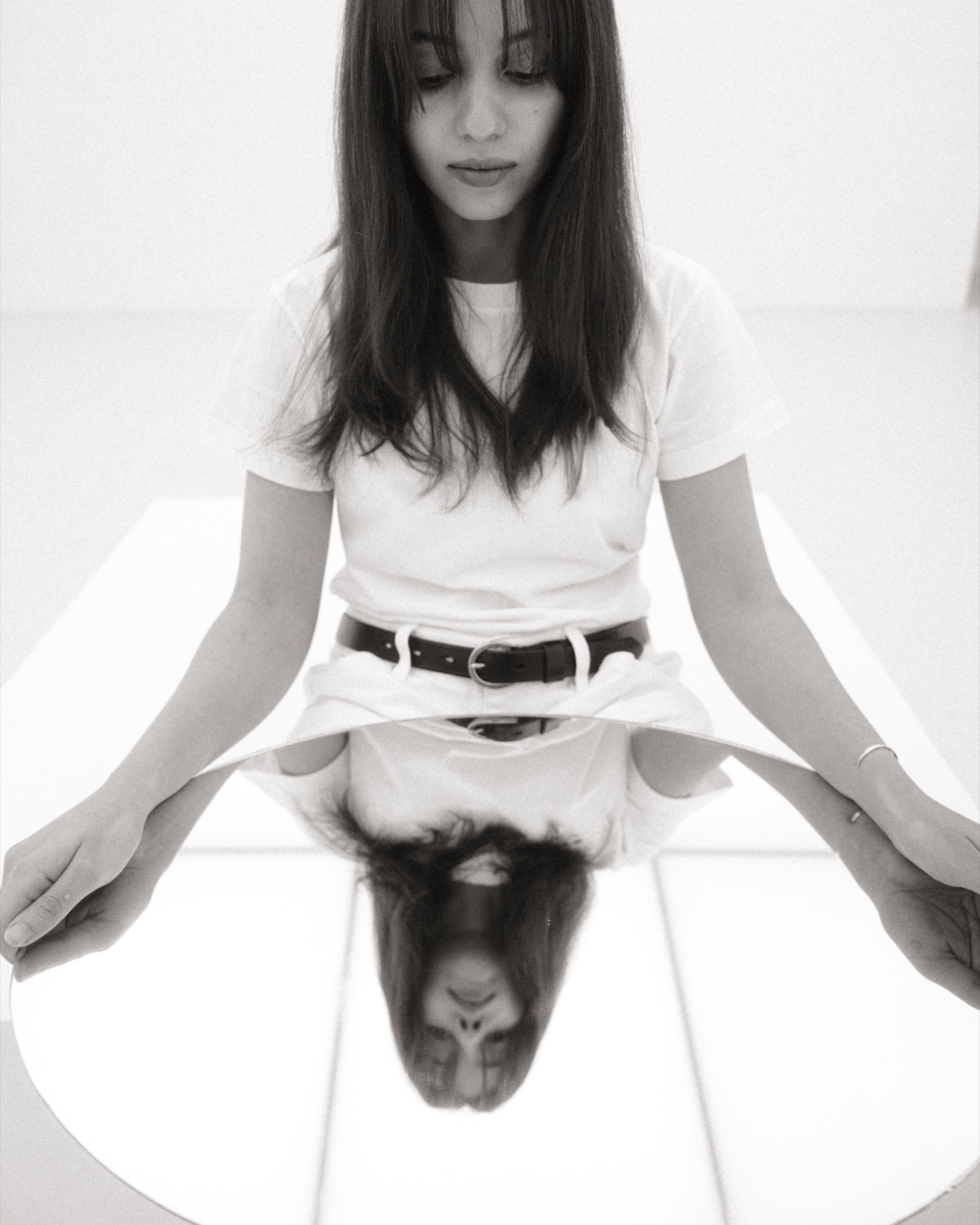
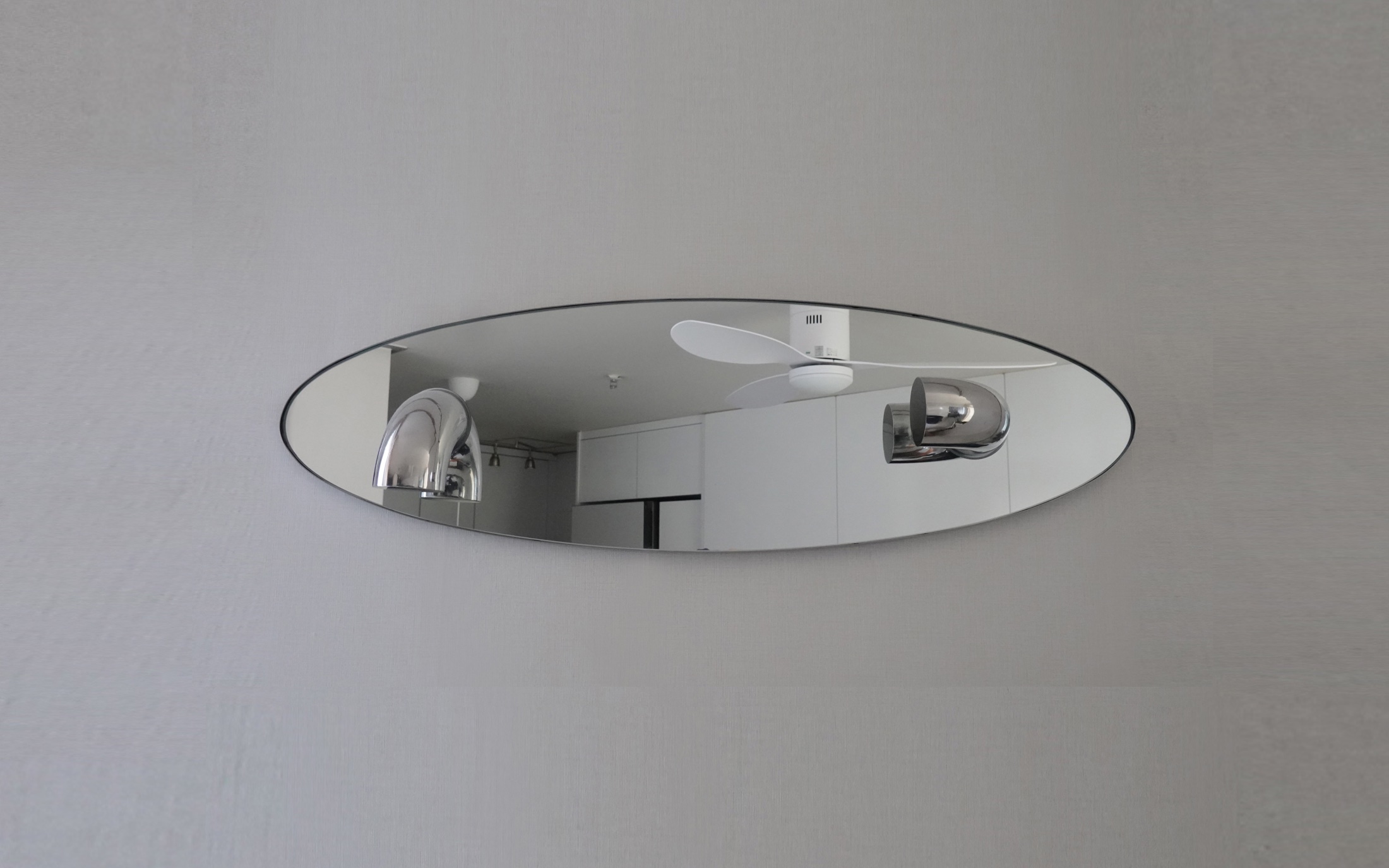
작품 소개 / ABOUT THE WORK〈사슴〉은 어린 시절부터 익숙하게 접해온 동물의 흔적과 이미지에서 출발한 작업이다. 어린 시절 아버지의 연구실을 방문할 때면 실험용 쥐의 냄새가 먼저 코를 찔렀고, 그곳에는 박제된 동물들도 놓여 있었다. 고향의 할머니 집에서는 가족의 중요한 날이나 명절에 양을 직접 도축하는 아랍 문화가 있었고, 그 과정에서 얻은 양의 가죽을 집 안에 장식처럼 걸어두기도 했다. 서양 문화 속에서는 사냥한 사슴의 머리와 뿔이 벽에 장식되어 있는 모습을 자주 보았다.
작품 소개
〈사슴〉은 어린 시절부터 익숙하게 접해온 동물의 흔적과 이미지에서 출발한 작업이다. 어린 시절 아버지의 연구실을 방문할 때면 실험용 쥐의 냄새가 먼저 코를 찔렀고, 그곳에는 박제된 동물들도 놓여 있었다. 고향의 할머니 집에서는 가족의 중요한 날이나 명절에 양을 직접 도축하는 아랍 문화가 있었고, 그 과정에서 얻은 양의 가죽을 집 안에 장식처럼 걸어두기도 했다. 서양 문화 속에서는 사냥한 사슴의 머리와 뿔이 벽에 장식되어 있는 모습을 자주 보았다.
서로 다른 장소와 맥락에서 반복해서 마주한 동물의 흔적을 바라보며, 인간은 왜 동물을 죽이고, 보존하고, 집 안에 남기며 그것에 의미를 부여하는지 궁금해졌다. 이것이 특정한 문화적 관습을 넘어, 무언가를 소유하고 기억하며 자신의 삶 안에 남기려는 인간의 본능적인 욕망에서 비롯된 것은 아닐까 생각하게 되었다.
특히 사슴의 머리와 뿔을 벽에 걸어두는 행위는 사냥의 성취를 넘어 부와 지위, 권력을 드러내는 상징으로 사용되어 왔다. 이러한 모습에서 인간이 자신의 성취와 가치를 특정한 사물을 통해 드러내고 인정받으려는 마음을 생각하게 되었고, 사슴의 형태를 거울로 전환했다.
거울은 자신의 모습을 비추는 가장 직접적인 사물이자, 끊임없이 자신의 존재와 모습을 확인하는 도구이다. 과거 자신의 성취와 사회적 가치를 드러내던 사슴 머리가 거울이 되면서, 그 시선은 이제 그것을 바라보는 사람에게 돌아온다.
〈사슴〉은 과시와 자기 인식, 장식과 기능 사이를 오가며 묻는다. 우리는 무엇을 소유하고 무엇을 성취해야 가치 있는 존재라고 생각하는가. 그리고 타인에게 인정받기 위해 만들어가는 자신의 모습과 스스로 바라보는 자신의 가치는 어떻게 연결되어 있는가. 작품은 사슴이라는 상징을 거울로 치환함으로써, 인간이 자신의 존재와 가치를 바라보고 증명하는 방식을 탐구한다.
ABOUT THE WORK
〈Deer〉 begins with traces and images of animals that have been familiar to Amira since childhood. When she visited her father’s laboratory, the smell of laboratory mice reached her first; taxidermied animals were also kept there. At her grandmother’s home in her country of origin, Arab traditions involved slaughtering sheep for important family occasions and holidays, and the resulting hides were sometimes hung inside the house as decoration. In Western culture, she repeatedly encountered hunted deer heads and antlers displayed on walls.
Seeing animal remains recur across different places and contexts led her to ask why people kill animals, preserve them, bring them into their homes and invest them with meaning. She began to consider whether, beyond particular cultural customs, this might arise from an instinctive human desire to possess, remember and retain something within one’s life.
The practice of mounting a deer’s head and antlers has served not only as a record of the hunt but as a symbol of wealth, status and power. It prompted her to consider the desire to display achievement and value through particular objects and to seek recognition through them; she therefore transformed the form of the deer into a mirror.
A mirror is both the most direct object through which one sees oneself and a tool for continually confirming one’s presence and appearance. As the deer head, once used to declare achievement and social value, becomes a mirror, its gaze turns back towards the viewer.
Moving between display and self-recognition, ornament and function, 〈Deer〉 asks: what must we possess or accomplish to consider ourselves valuable? How is the self we construct for the recognition of others connected to the value we perceive in ourselves? By translating the deer symbol into a mirror, the work examines how people look at and prove their own existence and value.
 02
02 03
03 04
04 05
05